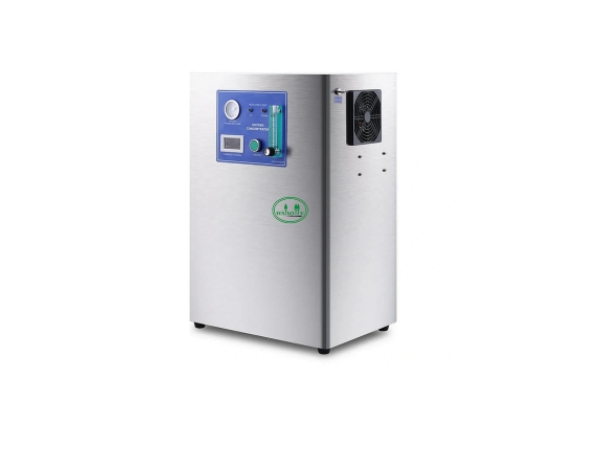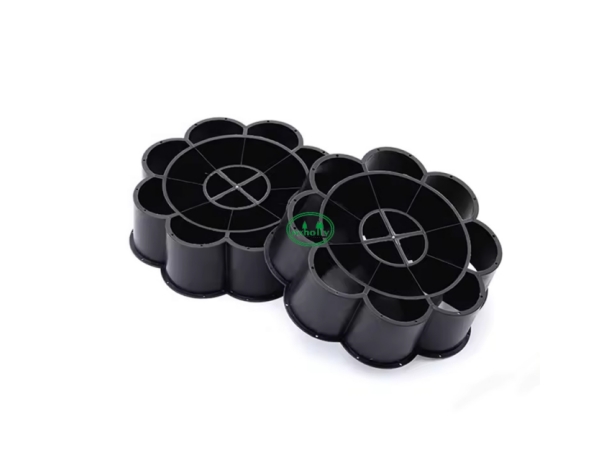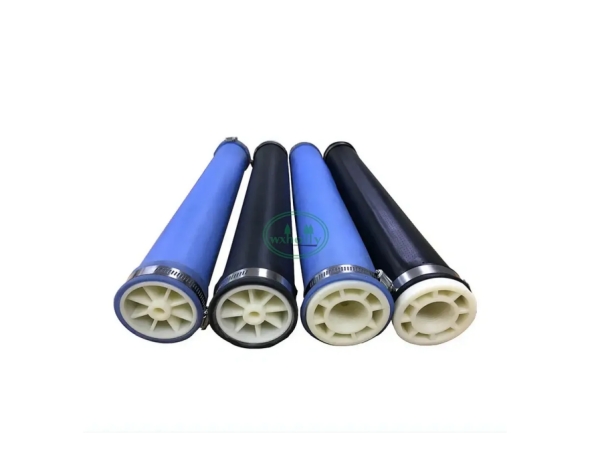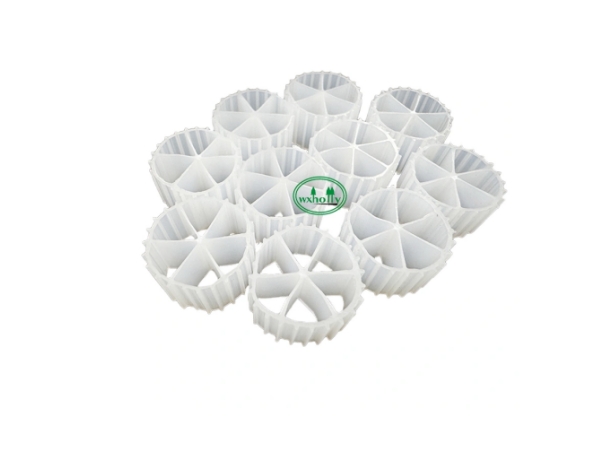
Useful devices can be easily and quickly moved from one pond to another
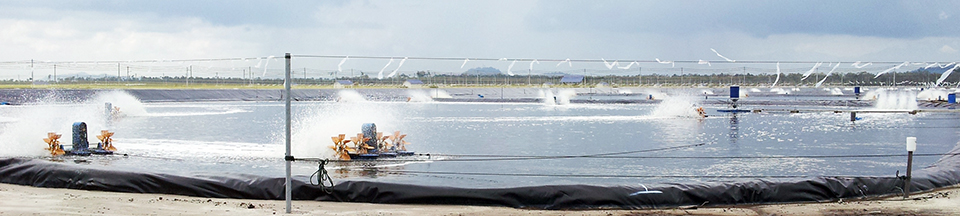
Low dissolved oxygen concentrations can occur in almost any aquaculture pond and lead to stress or mortality in fish, shrimp, or other culture species. Respiration in pond water causes dissolved oxygen concentrations to decline at night, and in ponds with heavy plankton blooms, dangerously low concentrations can occur before dawn. Cloudy weather increases the risk for low dissolved oxygen levels in ponds because the clouds decrease the input of solar radiation and limit oxygen production by phytoplankton photosynthesis during daylight.
Phytoplankton blooms can suddenly die and decompose, an event often referred to as a “die-off.” Such phytoplankton decomposition can cause dissolved oxygen depletion. Application of chemicals such as copper sulfate and diuron for phytoplankton control or formalin and potassium permanganate for disease treatment can kill phytoplankton and trigger episodes of low dissolved oxygen.
Aerators needed
Problems with low dissolved oxygen concentration become more frequent as stocking density and feeding rates increase. Thus, in intensive aquaculture ponds, small, dedicated mechanical aerators powered by electric motors or internal combustion engines are often installed at the beginning of each crop and operated daily to supplement natural sources of dissolved oxygen. In semi-intensive aquaculture, it is not economical to install dedicated aerators in each pond, but some problems with low dissolved oxygen concentrations can occur during most crops.
Even with dedicated aeration, low dissolved oxygen concentrations can develop. Episodes of low dissolved oxygen have a rapid onset and often occur unexpectedly. Immediate response to quickly increase dissolved oxygen availability can avoid serious losses from stress and mortality.


Portable and efficient
Because of its great capacity to transfer oxygen to water and generate currents to mix the oxygenated water throughout ponds, a single paddlewheel aerator can prevent fish and shrimp mortality during episodes of extremely low dissolved oxygen concentration in ponds up to 8 ha in area.
These devices are especially useful because they can be easily and quickly moved from one pond to another as needed. Usually, improvements in dissolved oxygen concentration can be seen within 30 minutes to two hours.
Minimal maintenance
Paddlewheel operation can erode the pond bottom beneath the aerator. This problem can be lessened by extending the trailer frame behind its tires and welding a 1-meter-wide sheet of steel plate to the frame beneath the paddles.
The completed paddlewheel aerator should be painted to prevent corrosion. The bearings must be regularly lubricated, and the oil in the differential should be changed occasionally. These devices should provide 20 to 30 years of service with minimum maintenance costs.
Bio Media Bio Ball
Stainless Steel Rotary Drum Filter for RAS System
Related Article