A Comprehensive Technical Guide to Fill Pac Media
author: lisa
2026-10-23
What is Fill Pac Media?
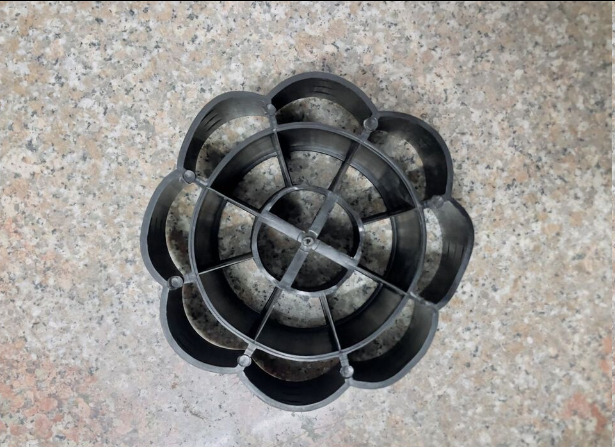
Fill Pac Media (also commonly categorized under biological filter media, fluidized bio media, and structured packing) represents a specialized high-performance contact media engineered for modern biological wastewater treatment systems. Crafted from premium polypropylene (PP) polymers, Fill Pac Media is specifically configured to provide an optimal micro-environment for active biofilm cultivation while sustaining unhindered fluid and gas dynamics.
In modern wastewater treatment facilities—ranging from municipal Sewage Treatment Plants (STP) to complex industrial Effluent Treatment Plants (ETP)—biological oxidation and organic contaminant reduction are paramount. Traditional activated sludge systems often struggle with volumetric constraints, sludge bulking, and hydraulic surges. Fill Pac Media addresses these bottlenecks by operating either as a fluidized/suspended biological carrier or as a structured contact fill, drastically elevating volumetric treatment capacity without expanding physical tank footprints.
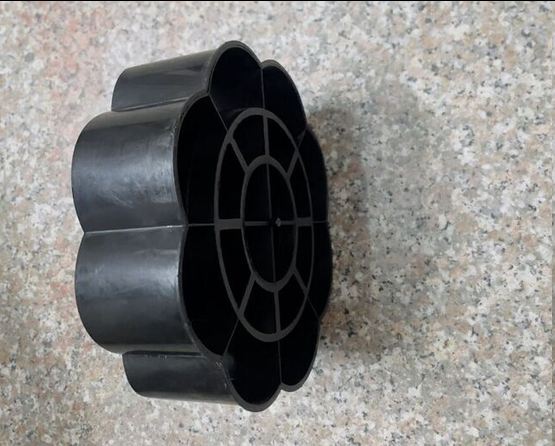
Across international engineering designs, Fill Pac Media predominantly presents in two major technical form factors: (1) modular flower/circular shaped media with ultra-high specific surface area (>400 m²/m³) for intensive biomass attachment, and (2) open-hollow, self-supporting cylindrical structured media with internal ribs and circular sections (150 mm diameter) designed for fluidized bed reactors and high wetting rate demands.
Fundamental Working Principles & Biofilm Mechanics

Primary Industrial & Municipal Applications
Fill Pac Media is extensively deployed across municipal and heavy-industrial wastewater schemes worldwide
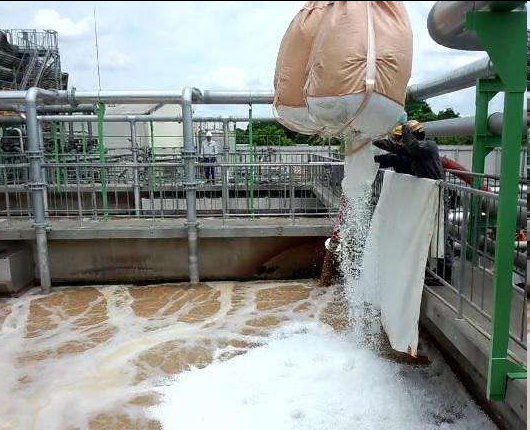
1. Industrial Effluent Treatment Plants (ETP): Applied in chemical, pharmaceutical, textile, printing & dyeing, food & beverage, and paper manufacturing plants where fluctuating influent shock loads and toxic contaminants require robust, resilient bio-carriers.
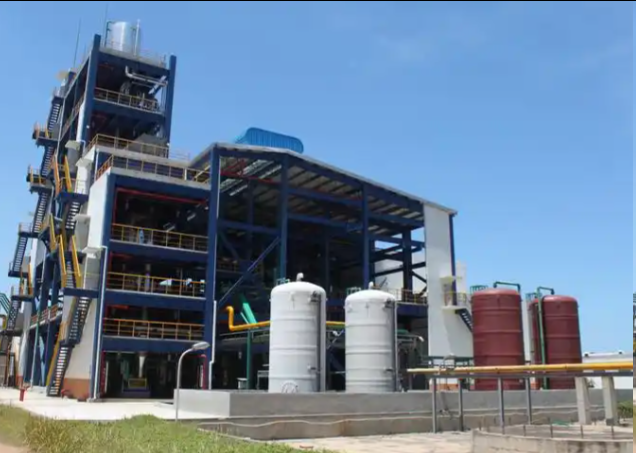
2. Municipal Sewage Treatment Plants (STP): Ideal for upgrading existing municipal sewage infrastructure. Introducing Fill Pac Media into aeration basins allows treatment plants to increase throughput and meet stringent nitrogen and phosphorus discharge regulations without pouring new concrete tanks.
3. Fluidized Bed Biofilm Reactors & Moving Bed Systems: Particularly suited for Model B (150 mm cylindrical design) and fluidized aeration cells. The media circulates continuously, ensuring intense contact between organics, dissolved oxygen, and biofilm.
4. Bio Towers & Trickling Filters: In trickling bio-towers and gas scrubbing columns, the media facilitates uniform liquid distribution at a rated wetting rate of 5.6 m³/day·m², maximizing gas-liquid interface for stripping volatile organic compounds (VOCs) or bio-oxidation.
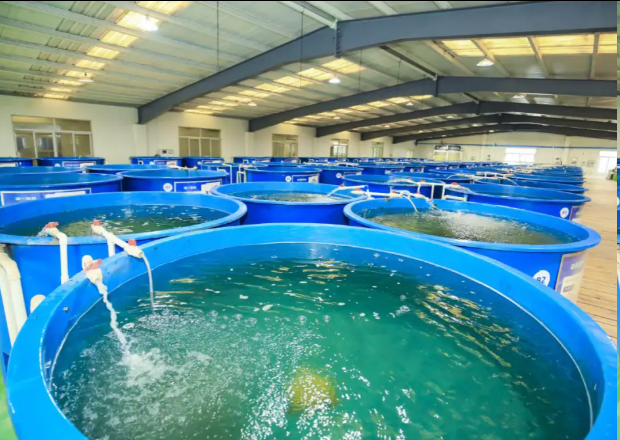
5. Aquaculture & Recirculating Aquaculture Systems (RAS): Due to non-toxic polypropylene food-grade stability, Fill Pac Media is extensively used in high-density fish farming bio-filters for rapid ammonia-nitrogen and nitrite conversion.
Microbiological Mechanism: The operation of Fill Pac Media relies on the synergistic interplay between surface science, microbiology, and hydrodynamics:
1. Accelerated Microbial Colonization: The primary function of Fill Pac Media is to offer a resilient, non-degradable substrate for heterotrophic and autotrophic bacterial colonies. Upon immersion in wastewater, bacterial extracellular polymeric substances (EPS) attach to the media's textured surfaces, developing a dense, stable biological slime layer (biofilm).
2. High Void Ratio (>95%) & Non-Clogging Fluidics: Boasting an exceptional void ratio exceeding 95% (>95% voidage), the media guarantees maximum hydraulic cross-flow and continuous air-bubble permeability. This open spatial architecture prevents particle entrapment, eliminating the risk of media clogging and dead zones, while drastically cutting blower energy consumption.
3. High-Rate Organic Degradation (70% - 80% BOD Removal): The media supports a stratified biofilm structure: the outer aerobic boundary efficiently degrades soluble organic carbon (BOD/COD removal efficiency reaching 70% – 80%), while the inner micro-aerobic and anoxic zones foster simultaneous nitrification and denitrification processes.
4. Optimal Specific Gravity & Fluid Dynamics: Thanks to engineered specific gravity closely balanced near water (0.92 – 1.04 g/cm³), the media achieves gentle, complete fluidization or effortless suspension under standard aeration flow or gravity trickling, enabling consistent mass transfer with minimal mechanical shear.
Primary Industrial & Municipal Applications
Fill Pac Media is extensively deployed across municipal and heavy-industrial wastewater schemes worldwide
1. Industrial Effluent Treatment Plants (ETP): Applied in chemical, pharmaceutical, textile, printing & dyeing, food & beverage, and paper manufacturing plants where fluctuating influent shock loads and toxic contaminants require robust, resilient bio-carriers.
2. Municipal Sewage Treatment Plants (STP): Ideal for upgrading existing municipal sewage infrastructure. Introducing Fill Pac Media into aeration basins allows treatment plants to increase throughput and meet stringent nitrogen and phosphorus discharge regulations without pouring new concrete tanks.
3. Fluidized Bed Biofilm Reactors & Moving Bed Systems: Particularly suited for Model B (150 mm cylindrical design) and fluidized aeration cells. The media circulates continuously, ensuring intense contact between organics, dissolved oxygen, and biofilm.
4. Bio Towers & Trickling Filters: In trickling bio-towers and gas scrubbing columns, the media facilitates uniform liquid distribution at a rated wetting rate of 5.6 m³/day·m², maximizing gas-liquid interface for stripping volatile organic compounds (VOCs) or bio-oxidation.
5. Aquaculture & Recirculating Aquaculture Systems (RAS): Due to non-toxic polypropylene food-grade stability, Fill Pac Media is extensively used in high-density fish farming bio-filters for rapid ammonia-nitrogen and nitrite conversion.
Recirculating Aquaculture System
Related Article

Recirculating Aquaculture Systems (RAS) are highly suitable for farming Pacific white shrimp.
Recirculating Aquaculture System
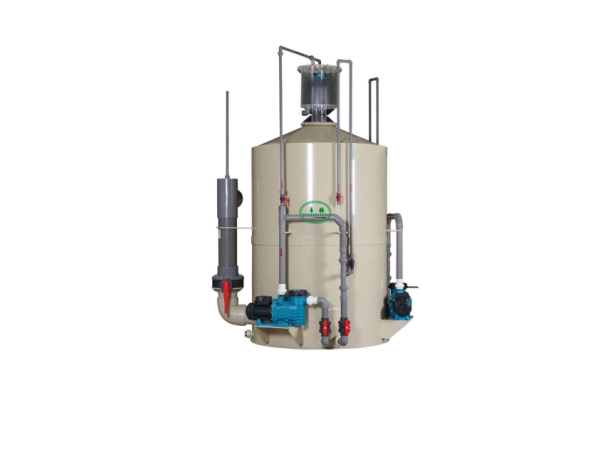
A skimmer (or protein skimmer) in aquaculture is an essential piece of equipment used to improve water quality by removing dissolved organic matter and impurities.
Proteins skimmers