MBBR Bio Media
Building a "Floating Apartment Building" for Microorganisms
At its core, wastewater treatment is the work of microorganisms — bacteria break down organic matter, nitrifiers convert ammonia nitrogen, and only then is the water purified. But microorganisms need a "home": they attach to carrier surfaces and form biofilms to work steadily and efficiently. MBBR bio media is exactly the floating apartment building designed for these water-quality workers. Today, let's explore the key material hidden behind wastewater treatment and aquaculture water management.
1. What Is MBBR, and Why Do We Need Media?
MBBR (Moving Bed Biofilm Reactor) is an advanced process that integrates the best of activated sludge and biofilm technologies. Its core idea: suspend a large volume of bio carriers in the reactor tank, let microorganisms attach and grow on their surfaces to form biofilms, and allow the carriers to tumble freely with the water flow — so the wastewater comes into full contact with the biofilm and gets purified.
MBBR media is widely used in two mainstream processes:

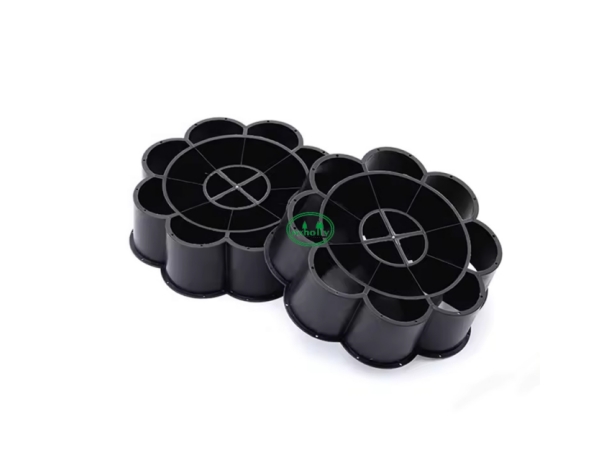
wxholly MBBR bio media full series: 9 models from PE01–PE10 and Biochip, tailored to different process scenarios.
2. Working Principle: How Does the Biofilm "Eat" Pollutants?
As the biofilm continues to thicken and age, the excess portions slough off naturally under water shear (i.e., "sludge renewal"), and fresh biofilm immediately regrows — keeping the system active over the long term.
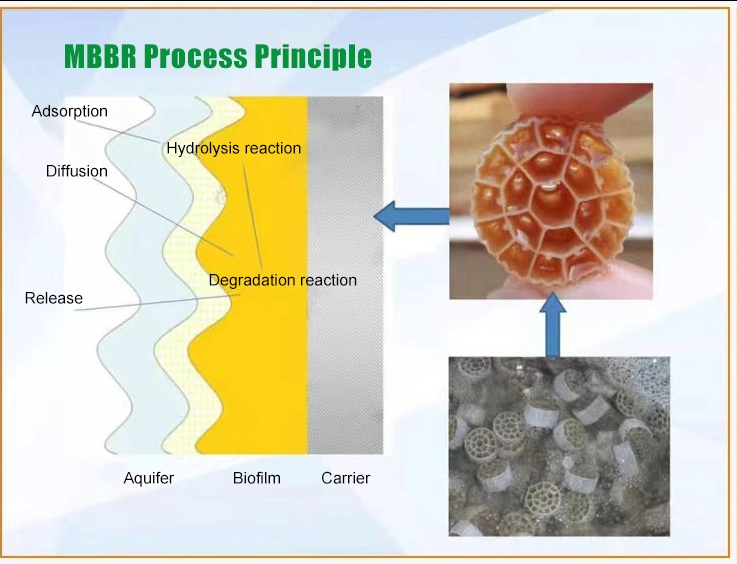
MBBR process principle: the biofilm on the carrier purifies water through adsorption, diffusion, degradation and release; right — a close-up of a carrier with mature biofilm.
3. Why Must the Media Keep "Moving"?
"Moving" delivers three major benefits:
4. How to Evaluate a Good Bio Media?
The performance of MBBR media is mainly judged by the following parameters (using the wxholly series as an example):

Key takeaways from the data:
-
5. Applications: From Municipal Wastewater to Aquaculture
MBBR media is highly adaptable and covers almost all biological water-treatment scenarios:
Municipal and industrial wastewater treatment: new projects can adopt the MBBR process directly, while retrofit projects can upgrade capacity and effluent standards without stopping production simply by dosing media; Recirculating aquaculture systems (RAS): paired with drum filters and aeration equipment, it continuously converts ammonia nitrogen into low-toxicity nitrate — the core "kidney" component of recirculating systems; River and landscape water restoration: used in in-situ river remediation and eutrophic water purification; Small decentralized treatment facilities: ideal for compact scenarios such as packaged plants and rural sewage stations.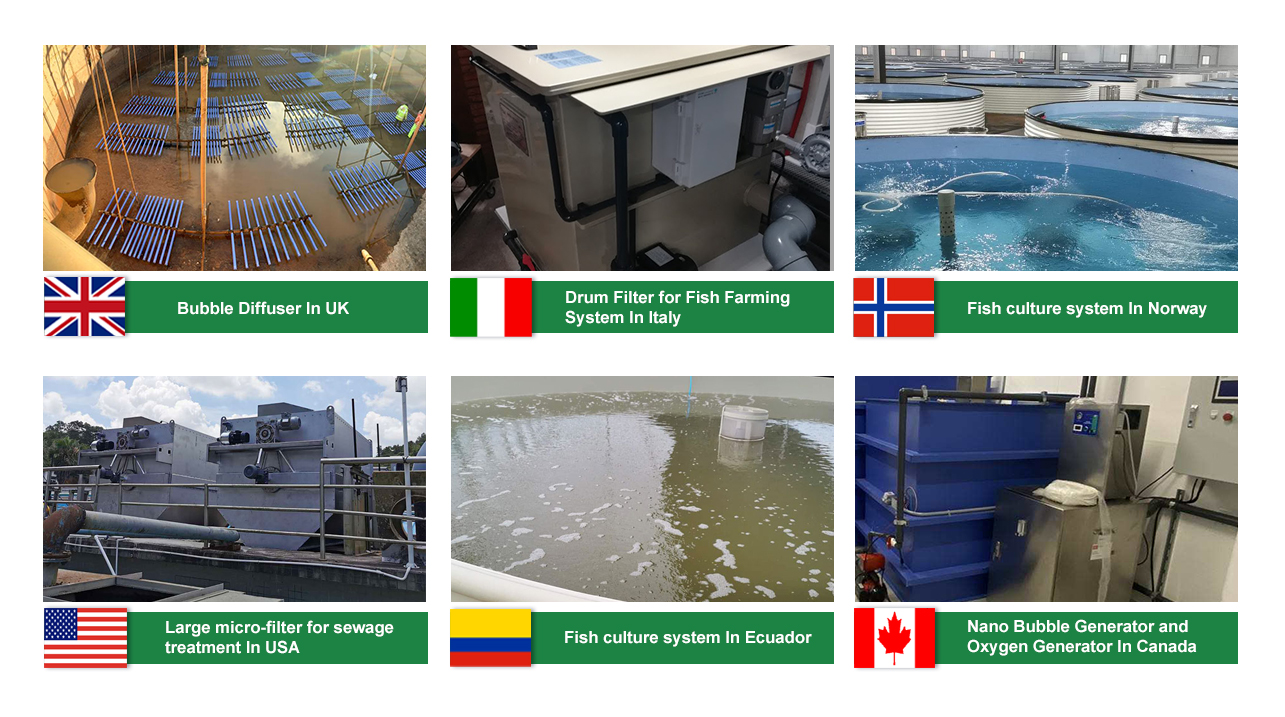 ConclusionMBBR bio media may look like humble little plastic pieces, but it is the "unsung hero" of modern biological water treatment. It gives microorganisms an efficient home, gives reactors flowing vitality, and gives treatment systems higher efficiency and a longer service life. Choosing the right media means installing a non-stop biological purification engine for your water-treatment system.
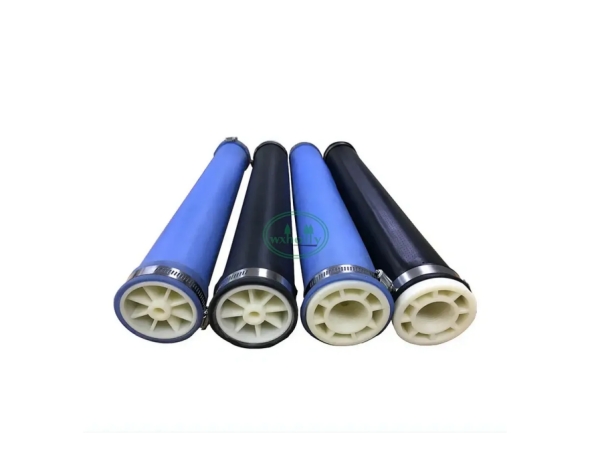
Fine Bubble Tube Diffusers
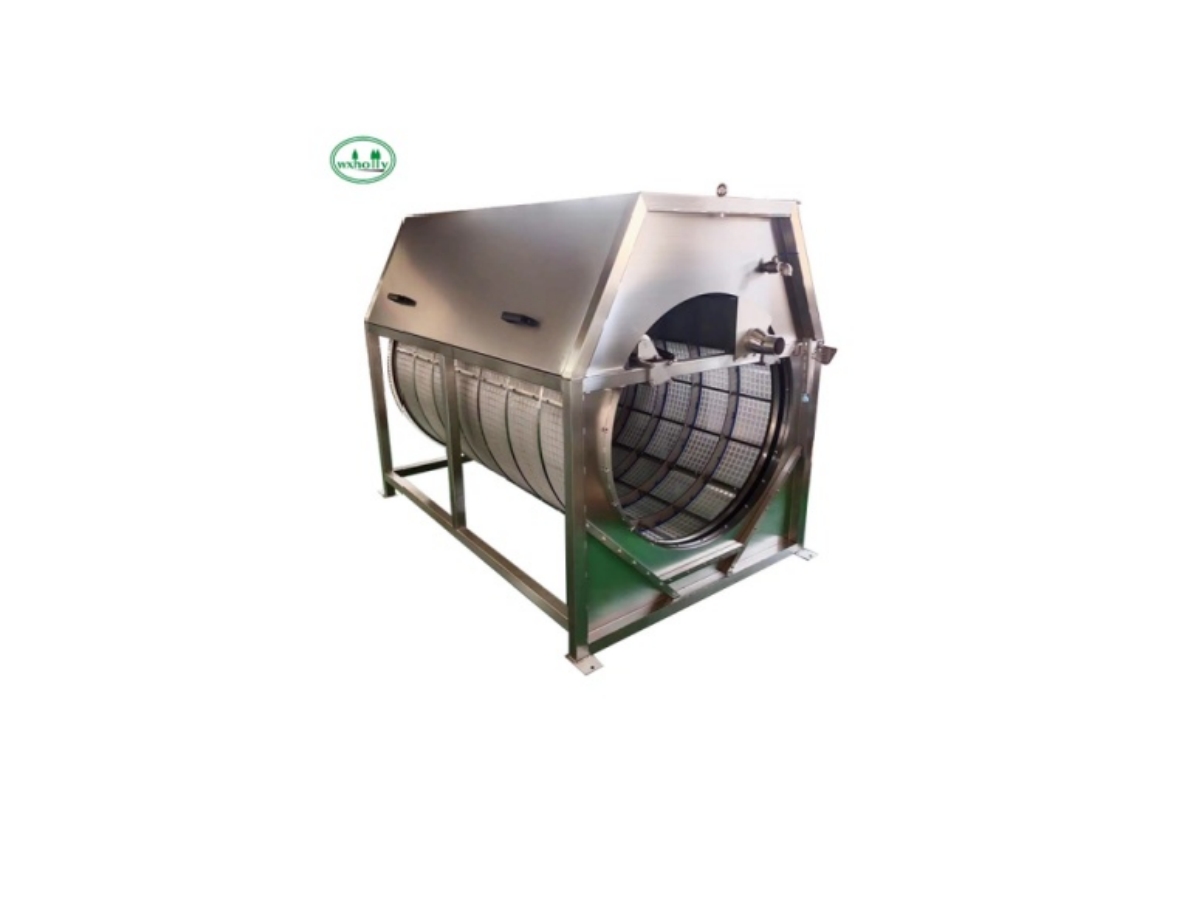
Aquaculture Ras System Filter Drum
Related Article