Introduction of Aeration Hose
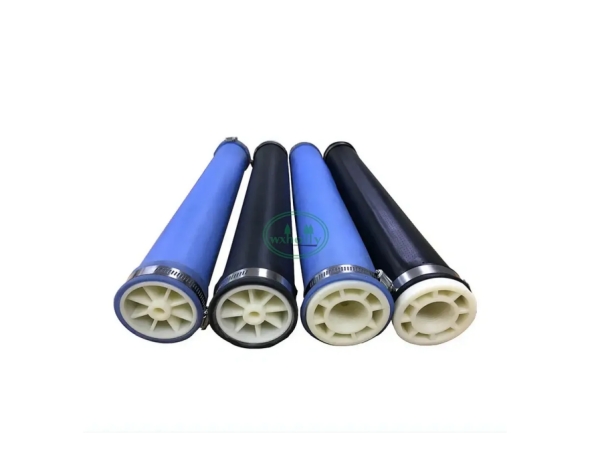
The aeration hose is a new type of tubular rubber aerator developed. This product is mainly used for aeration of urban sewage and organic industrial wastewater treatment systems. It has a simple structure, high oxygen utilization rate, reliable performance, and difficult air holes. Features such as clogging, non-irrigated sewage, uniform circumferential stress, long life, convenient installation and maintenance, and low system price.
Aeration hose features numerous tiny pores throughout its length. These micro pores allow air to pass through them easily. In this way, it create a vast amount of micro bubbles. The bubble size at an average size of 3 mm each. It bubbles continuously in the water. Micro bubbles maximize the surface area of the water. It exposes more water to the air. This results in a significantly higher rate of oxygen transfer than conventional aeration systems.

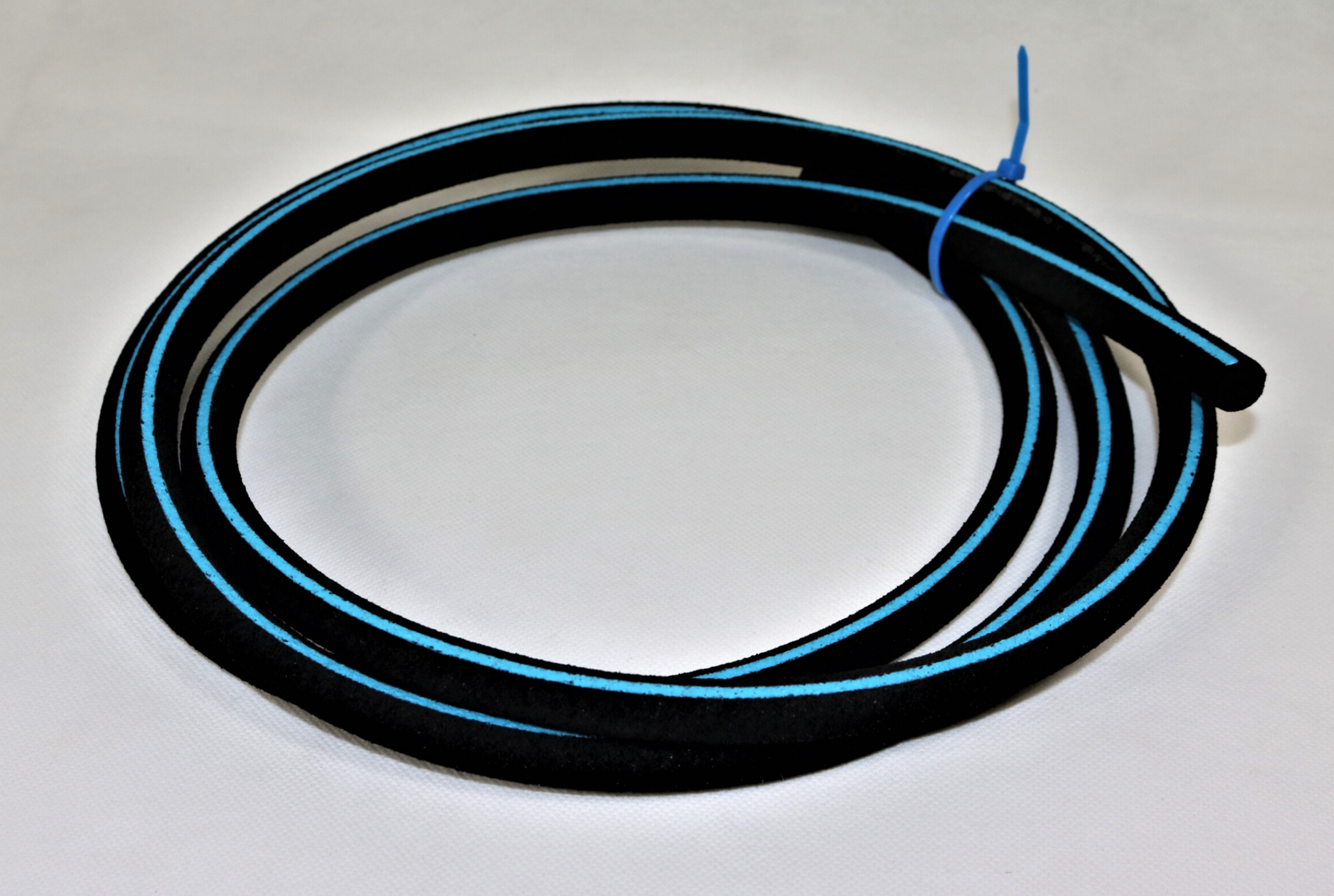
Aeration Hose Product Structure:
1. The aeration hose uses EPDM, which has the characteristics of heat resistance, ozone resistance, acid and alkali resistance, and good chemical stability. Compared with ordinary aeration hoses, its service life can be greatly improved.
2. The air hole of the aeration hose is a long hole in the shape of a letter, which makes it have good stretchability and instantaneous closing. During the aeration, the micro-bubbles with a diameter less than 3mm can be released to obtain higher oxygen utilization rate. The utilization rate is 35 to 42%.
3. The support is hollow and filled with water, which greatly reduces the buoyancy of the aeration system in water.
4. The air guide groove is used to make the air distribution inside the aerator quickly and evenly, so that the aeration hose is evenly stressed, the life of the aeration hose and the uniformity of the released bubbles are improved, and the aeration effect is improved The groove is a narrow groove, and the aeration hole is not opened in the rubber membrane tube area. When the air supply is stopped, the rubber membrane is closely attached to the air guide groove, thereby preventing the backwash of sewage.
Key features and uses
For aerating water: The primary use is to improve water quality in ponds, lakes, and aquaculture settings by increasing dissolved oxygen.
Wastewater treatment: Also used in industrial and municipal wastewater systems to aid in the treatment process.
Durable and flexible: Made from heavy-duty rubber or flexible PVC that resists kinking, cracking, and extreme temperatures.
Self-sinking: Many versions are "weighted" and are designed to sink to the bottom of a pond without the need for extra ballast, making installation easier.
Efficient oxygenation: Can be designed as microporous tubing to produce very fine microbubbles, which significantly increase the efficiency of oxygen transfer into the water.
Easy to install: Designed for simple connection to air pumps and diffusers, often including necessary clamps or menders.
Fish-friendly: Safe for fish and other aquatic life


Protein Skimmers – Industrial Foam Fractionators
Oxygen Cone Supplies More Dissolved Oxygen for Fish Farming
Related Article