Home/News/News/Fine bubble aeration is a highly energy-efficient wastewater treatment process/
Fine bubble aeration is a highly energy-efficient wastewater treatment process
author: Lisa
2026-01-30
Fine bubble aeration is a highly energy-efficient wastewater treatment process that uses submerged diffusers (discs, tubes, or plates) to release tiny air bubbles (≤3) mm) from the tank floor. These bubbles provide superior oxygen transfer efficiency (up to 2% or more per foot) by creating a larger surface area and rising slower, allowing for better oxygen dissolution, which supports microorganisms in breaking down organic matter.
Key Aspects of Fine Bubble Aeration
Mechanism: As air is forced through a membrane (often EPDM rubber), the resulting small bubbles rise through the water column, optimizing oxygen transfer and mixing.
High Efficiency: Compared to coarse bubble aeration, fine bubbles are far more efficient, allowing for lower energy consumption and reduced operating costs, making it the standard choice in many treatment plants.
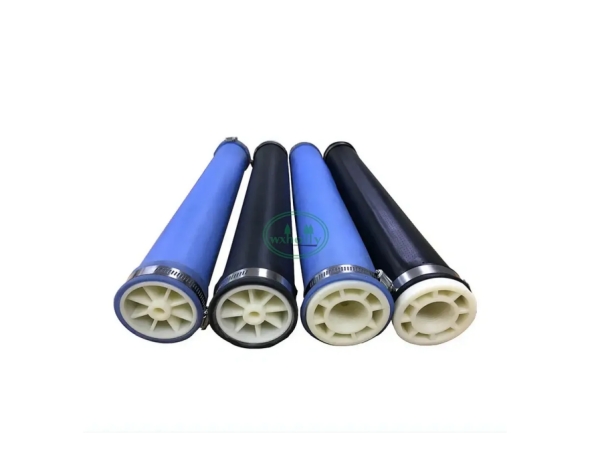
Components: Systems typically use diffuser discs or tubes, often featuring membranes with tiny slits that open under pressure to release air.
Applications: Primarily used in activated sludge processes to treat sewage, it is also utilized in aquaculture and for breaking down sludge in lagoons.
Benefits and Disadvantages
Pros: High oxygen transfer efficiency (SOTE), reduced energy costs, improved treatment performance, and, when using proper materials like PTFE-coated membranes,, they are resistant to fouling.
Cons: Higher initial capital investment compared to other methods; membrane diffusers can clog over time, requiring maintenance or cleaning, especially if in an aggressive environment.
Share:
Industrial Vacuum Air Pump Vortex Ring Blower for Sewage Water treatment
Fine Bubble Aeration in Wastewater Lagoons—Pros and Cons