Fine Bubble Aeration in Wastewater Lagoons—Pros and Cons
Fine Bubble Aeration in Wastewater Lagoons—Pros and Cons
Installed at the bottom of the lagoon, fine bubble aerators release tiny bubbles that slowly rise to the surface of the water. These thousands of tiny bubbles collectively have a very large surface area. As a result, they can efficiently and effectively transfer oxygen to the entirety of the water column.
we will attempt to give a full, unbiased breakdown of fine bubble aeration in wastewater lagoons.

The 3 Main Types of Fine Bubble Aerators
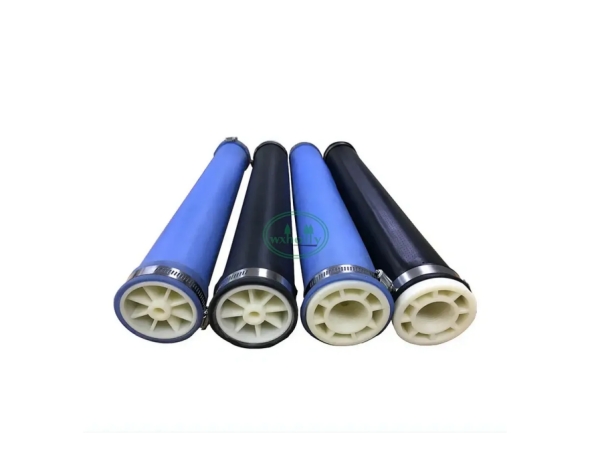
2.Tube Diffusers – Most tube diffusers are made from a rigid ceramic or hollow plastic cylinder. These cylinders are long and thin, and are surrounded by EPDM rubber. The air is transferred and released in the same manner as the disks, except tube diffusers generally offer more surface area than disks, and thus can release more fine bubbles.
3.Perforated Tubing – This type of diffuser, sometimes referred to as “Bubble Tubing,” is generally composed of LDPE with slits or holes punched in it. These small holes then leak air at pressurized airflow. However, this type of LDPE diffuser does not expand and contract to open these perforations in the same manner that the tube and disk diffusers do.
The Benefits of Fine Bubble Aeration

The Disadvantages of Fine Bubble Aeration
Fine bubble aeration is a highly energy-efficient wastewater treatment process
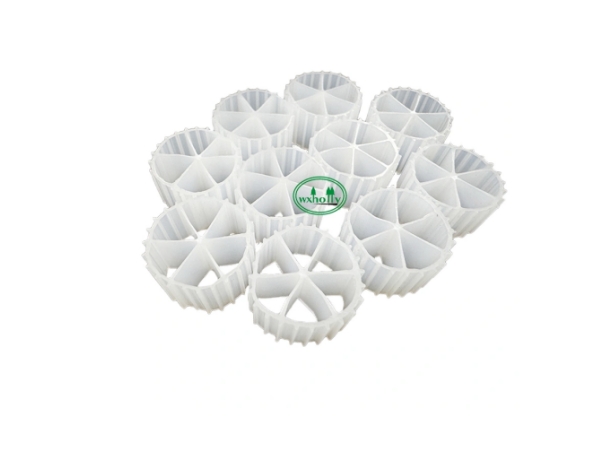
MBBR Biofilter Media
Related Article