Recirculating Aquaculture Systems (RAS): The Ultimate Guide
author: Lisa
2025-12-05
Recirculating Aquaculture Systems (RAS): The Ultimate Guide
The global demand for seafood is rising, conventional fish farms can have a major environmental impact. A solution is emerging: Recirculating Aquaculture Systems (RAS). This innovative technology is transforming how we produce fish, offering a sustainable, efficient, and flexible alternative to traditional methods.

What is RAS?
At its core, a Recirculating Aquaculture System is a land-based fish farming technology that reuses water by continuously treating it to remove waste products and maintain optimal water quality. Unlike traditional open-pond or net-pen systems that rely on a continuous flow of new water, an RAS operates as a closed loop. This allows for total control over the farming environment.
How RAS Works: A Closed-Loop System
Think of an RAS as a miniature, self-contained ecosystem. Water from the fish tanks is collected and routed through a series of specialized treatment components. These components work together to perform five key functions:
Solids Removal: Removing solid waste, such as uneaten feed and fish feces.
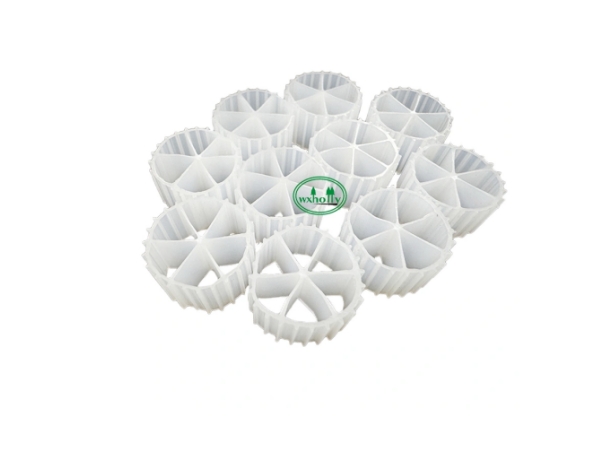
Biofiltration: Converting toxic waste products (ammonia and nitrite) into a less harmful substance (nitrate).
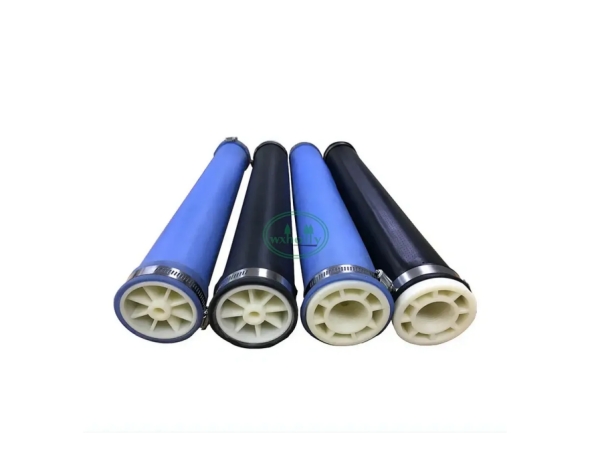
Aeration/Oxygenation: Replenishing dissolved oxygen for the fish.
Temperature Control: Maintaining the ideal water temperature for the species being farmed.
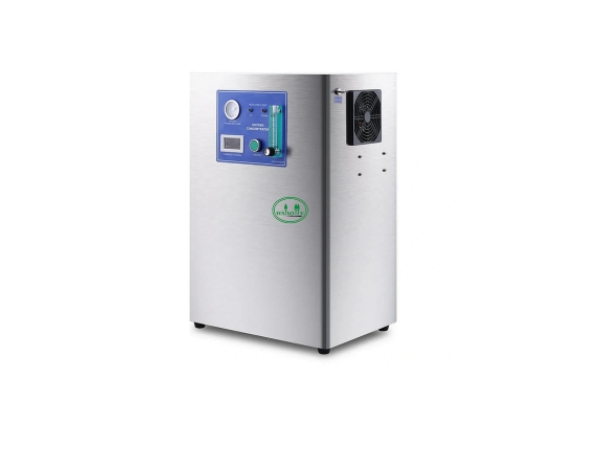
Disinfection: Eliminating harmful bacteria and pathogens.
 The controlled and stable environment of a Recirculating Aquaculture System allows for the successful farming of a diverse range of aquatic species. However, not all fish are created equal when it comes to RAS. The most suitable species are those that are resilient, can tolerate high stocking densities, grow quickly, and have a good market value.
Essential aquaculture equipment includes tanks or ponds to hold fish, aeration systems to supply oxygen, filtration systems to clean the water, and pumps to circulate it. These components work together to create a healthy and controlled environment for aquatic life to grow and thrive.
Fish Species Suitable for RAS

Role in Sustainable Aquaculture
As consumer awareness of environmental issues grows, the demand for sustainably produced seafood is rising. RAS meets this demand by:
Protecting Wild Stocks: By producing fish on land, RAS reduces the pressure on wild fisheries, helping to combat overfishing and protect marine biodiversity.
Conserving Resources: Its minimal water footprint and efficient use of space make it a perfect solution for regions facing water scarcity or limited arable land.
Enhancing Food Security: RAS allows for local food production anywhere in the world, reducing reliance on long, complex supply chains and making fresh, healthy seafood accessible to more communities.
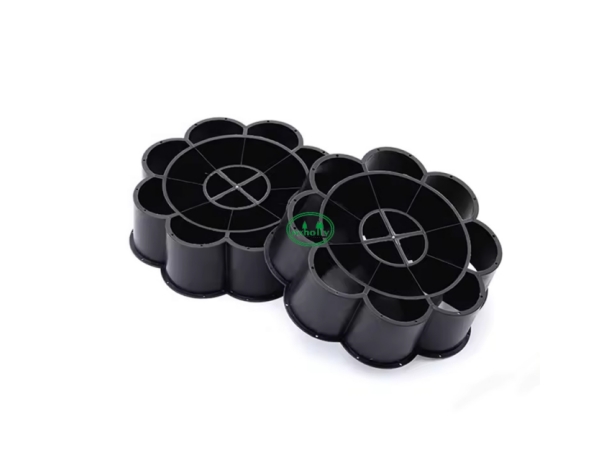
Fill Pac Media
Protein Skimmers – Industrial Foam Fractionators
Related Article