Protein skimmer

Protein skimmer
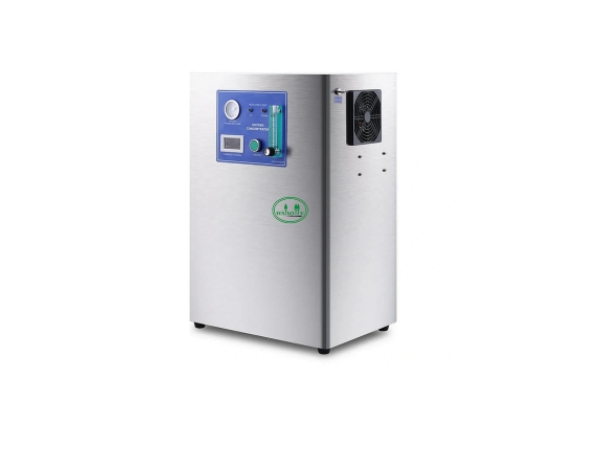
Aquaculture protein skimmers is the "kidneys" of marine aquaculture systems and is essential filtration equipment. It can separate 80% of harmful substances, ammonia nitrogen, harmful salts, suspended solids, etc. in water, which can greatly improve water quality.


Protein skimming removes certain organic compounds, including proteins and amino acids found in food particles and fish waste, by using the polarity of the protein itself. Due to their intrinsic charge, water-borne proteins are either repelled or attracted by the air–water interface and these molecules can be described as hydrophobic (such as fats or oils) or hydrophilic (such as salt, sugar, ammonia, most amino acids, and most inorganic compounds). However, some larger organic molecules can have both hydrophobic and hydrophilic portions. These molecules are called amphipathic or amphiphilic. Commercial protein skimmers work by generating a large air–water interface, specifically by injecting large numbers of bubbles into the water column. In general, the smaller the bubbles the more effective the protein skimming is because the surface area of small bubbles occupying the same volume is much greater than the same volume of larger bubbles.[1] Large numbers of small bubbles present an enormous air–water interface for hydrophobic organic molecules and amphipathic organic molecules to collect on the bubble surface (the air–water interface). Water movement hastens diffusion of organic molecules, which effectively brings more organic molecules to the air–water interface and lets the organic molecules accumulate on the surface of the air bubbles. This process continues until the interface is saturated, unless the bubble is removed from the water or it bursts, in which case the accumulated molecules release back into the water column. However, it is important to note that further exposure of a saturated air bubble to organic molecules may continue to result in changes as compounds that bind more strongly may replace those molecules with a weaker binding that have already accumulated on the interface. Although some aquarists believe that increasing the contact time (or dwell time as it is sometimes called) is always good, it is incorrect to claim that it is always better to increase the contact time between bubbles and the aquarium water.[2] As the bubbles increase near the top of the protein skimmer water column, they become denser and the water begins to drain and create the foam that will carry the organic molecules to the skimmate collection cup or to a separate skimmate waste collector and the organic molecules, and any inorganic molecules that may have become bound to the organic molecules, will be exported from the water system.
Sand filters are used as a step in the water treatment process of water purification.
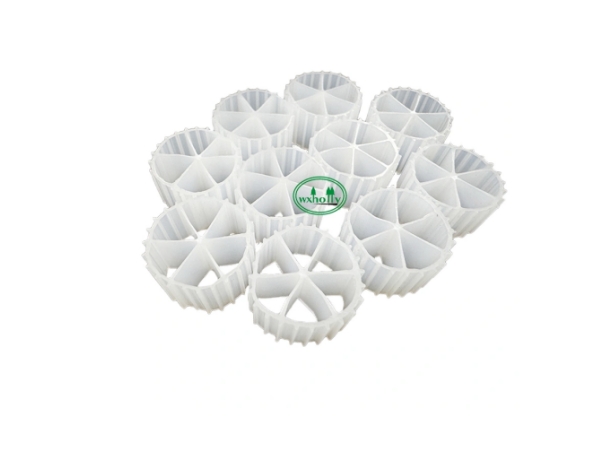
Introduction to MBBR (Moving Bed Biofilm Reactor)
Related Article