Aquaculture Ras System Filter Drum
The "First Line of Defense" in Recirculating Pond Water Systems
Anyone who has kept koi or farmed shrimp knows the feeling: turbid water, fish rubbing against surfaces, ammonia spikes... More often than not, the root cause is a steady stream of solid waste accumulating in the pond — uneaten feed, feces, and sloughed-off biofilm. In the recirculating aquaculture system (RAS), one piece of equipment is responsible for "intercepting" these solids at the very first opportunity: the Drum Filter (Rotary Drum Microscreen Filter). Today, let's get to know this first line of defense for pond water quality.
1. Why Must a Pond "Filter First, Purify Later"?
In a recirculating aquaculture system, water treatment typically follows a clear process chain:
Solid-liquid separation → Biological purification → Oxygenation → Disinfection → Reuse
Solid-liquid separation is the first step — and the foundation on which every downstream stage depends. If uneaten feed and feces are not removed promptly:
- Organic matter decomposes in the water, consuming large amounts of dissolved oxygen;
- Decomposition products (ammonia nitrogen, nitrite) poison fish and shrimp, suppressing growth or even causing mortality;
- Suspended particles coat biofilter media, clogging MBBR carriers and piping, causing the nitrification system to fail;
- Water transparency drops, affecting the health and color of ornamental fish.
A highly efficient, reliable solid-liquid separation device is therefore the cornerstone of any pond water treatment system.
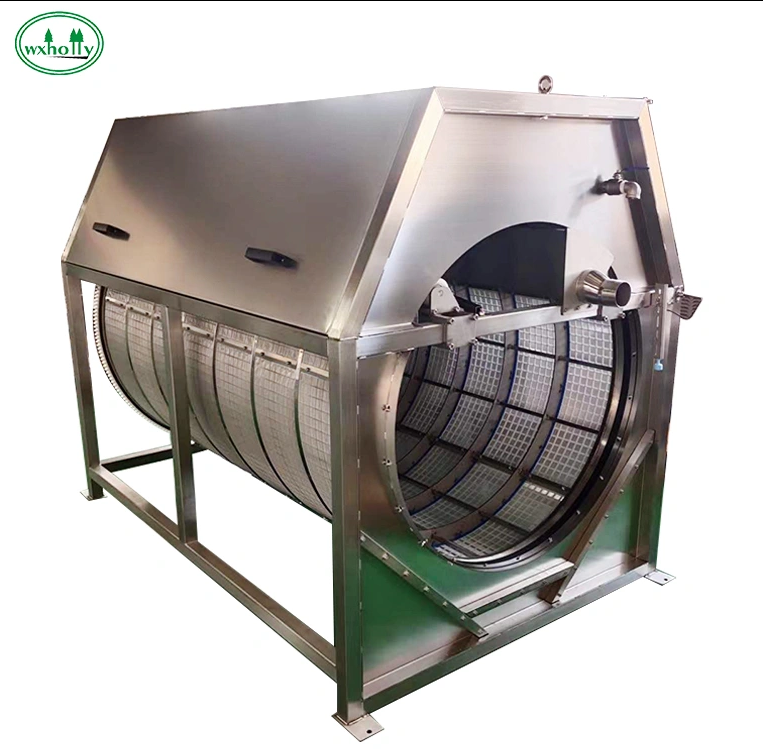
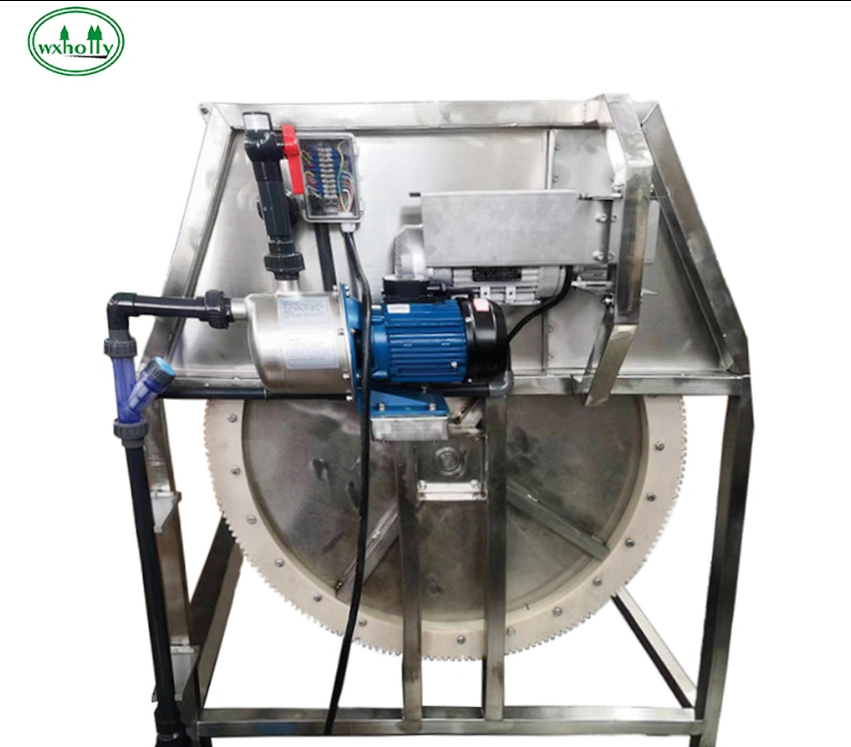
wxholly drum filter: stainless steel frame with stainless steel filter mesh — the rotating drum design enables continuous filtration.
2. How Does a Drum Filter Work?
At the heart of a drum filter is a rotatable drum covered with a stainless steel filter screen. Its structure consists of four main components:
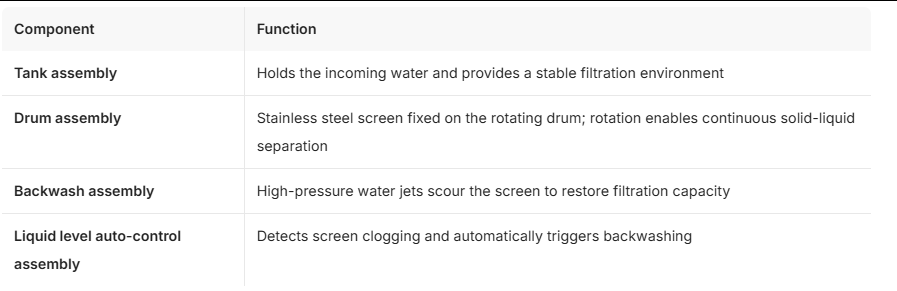
Operating Flow
The entire process runs fully automatically, without manual intervention — achieving continuous operation with "filter and self-clean in one motion."
• Spread collar, button-down front closures, buttoned flap chest pockets, slit side pockets
• Long sleeves with banded and buttoned cuffs, gradient pearl beading at the sleeves
• Faded denim, contrast topstiching, banded/buttoned hem, distressed details, unlined
• Model measurements: 5'10" height, 33.5" bust, 23.5" waist, 34.5" hips, wearing a size small
• Part of Sunset + Spring, a unique boutique of women’s trendy clothes inspired by America’s style capitals, NYC and L.A.
• This item is part of our 100% Bloomingdale's collection, featuring exclusive pieces you won't find anywhere else.
• Imported.
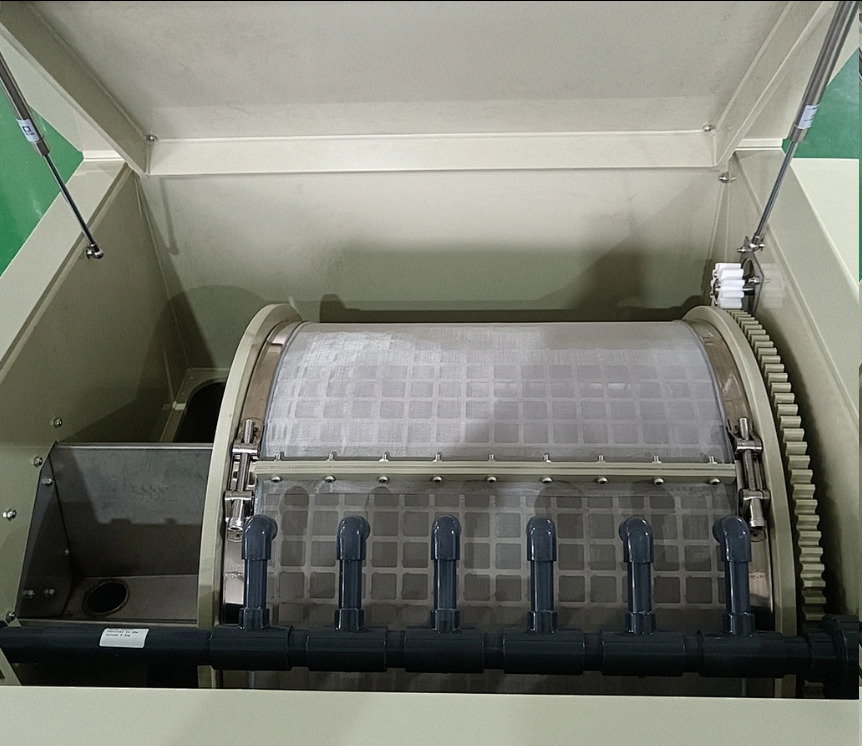
Inside the unit: the rotating drum is covered with fine stainless steel mesh; backwash nozzles on the spray bar face the screen surface directly, and the drum is driven by a geared transmission.
3. What Problems Does It Solve Compared with Traditional Filters?
Traditional pond filtration equipment (such as sand tanks and mesh bag filters) frequently faces a series of notorious issues in real-world use:
- No automatic operation: manual cleaning is required frequently; if neglected, clogging causes failure;
- Poor corrosion resistance: service life is short in seawater or high-salinity environments;
- Fragile screens: frequent dismantling and cleaning lead to high rates of screen damage;
- High failure rates and difficult maintenance: downtime directly threatens the safety of the stock.
The drum filter was designed specifically to address these pain points:
- Fully automatic: liquid level sensing + automatic backwashing — reliable even unattended;
- Corrosion-resistant materials: the tank is made of non-toxic, seawater-resistant high-quality engineering plastic, while the screen uses SS304 stainless steel, suitable for both freshwater and marine aquaculture;
- Energy and water saving: backwashing is triggered only when clogging occurs, consuming far less water than continuous flushing; compared with the high water-pressure requirement of sand tanks, drum filtration runs more energy-efficiently;
- Continuous and reliable: the screen is easy to maintain and resistant to clogging, supporting long-term continuous operation.
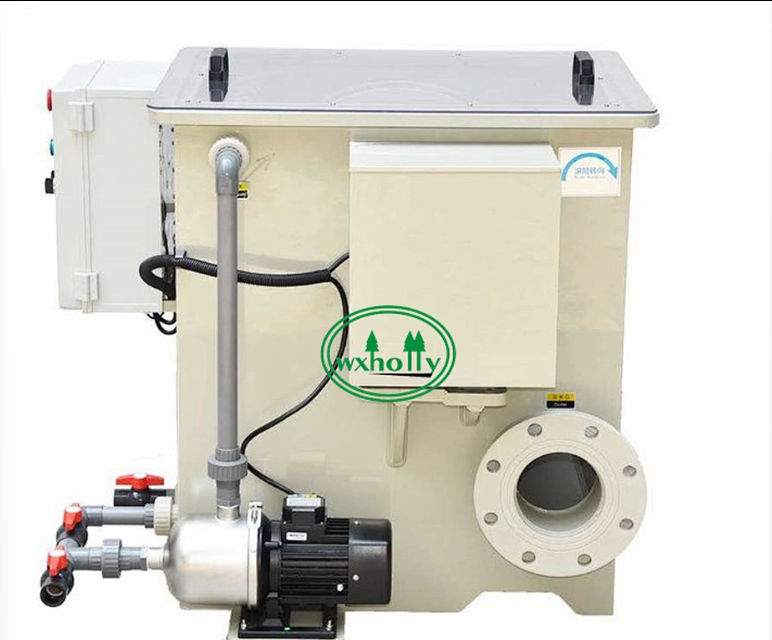
- Box-type drum filter: tank, control box, backwash pump and piping valves integrated into one compact unit.
4. Specifications: From Home Koi Ponds to Commercial Farms
Drum filters are available in a wide range of capacities to suit different farming scales, with custom sizes on request:
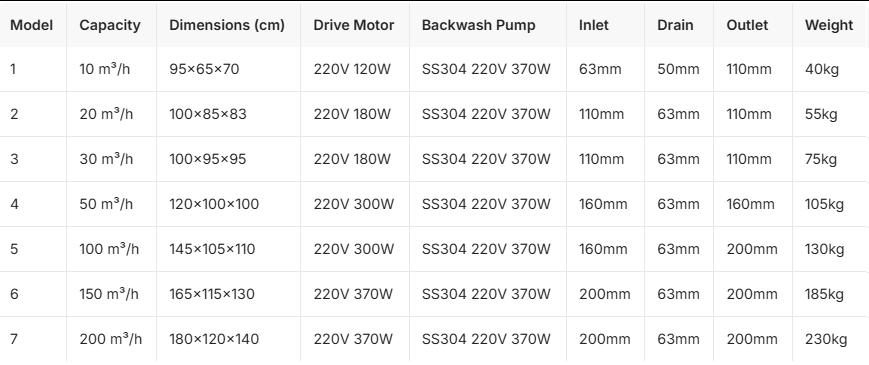
From a 10 m³/h home koi pond to a 200 m³/h commercial RAS facility, every scale is covered.
5. Drum Filter + Biofilter = True Recirculating Aquaculture
It is important to note that the drum filter handles only the solid-liquid separation front-end. A complete RAS system also requires:
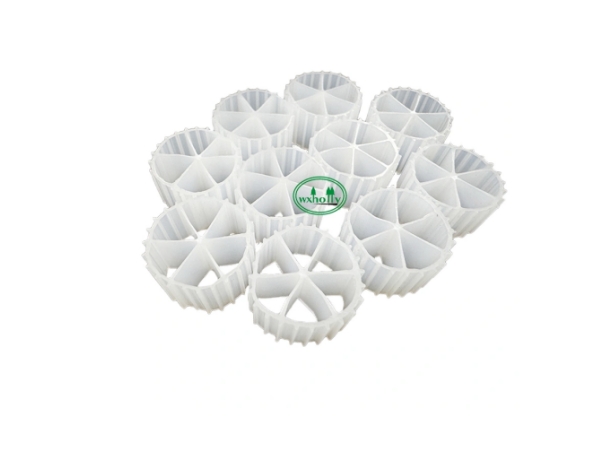
- Biological filtration (MBBR bio filter media): converting dissolved ammonia nitrogen into low-toxicity nitrate;
- Oxygenation systems: sustaining the dissolved oxygen needed for high-density stocking;
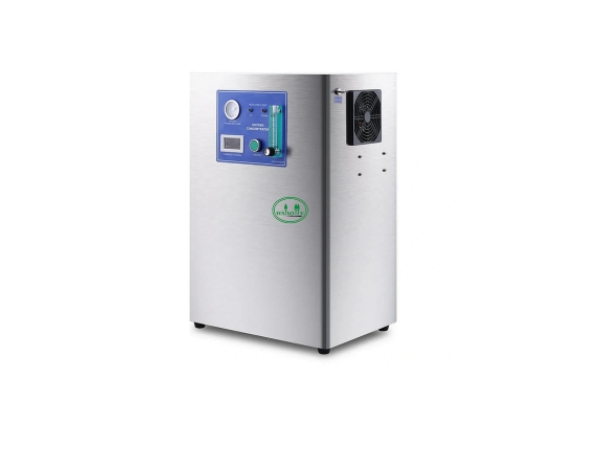
- Disinfection (UV sterilizers, ozone): controlling pathogenic microorganisms.
By removing solid waste from the water first, the drum filter dramatically reduces the load on downstream biofilters — allowing nitrifying bacteria to focus on dissolved pollutants. This is precisely the key that enables RAS to achieve "less water exchange, higher density, and year-round control."
If the biofilter is the "kidney" of a recirculating system, the drum filter is its "intestine" — it expels solid waste from the system promptly, so every downstream process can operate at peak efficiency. Choosing a corrosion-resistant, fully automatic, energy-efficient and reliable drum filter means installing an automatic line of defense for your pond water management: clearer water, healthier fish and shrimp, and less worry for you.
MBBR Bio Media
Vortex Ring Blower (Side Channel Blower)
Related Article